

|
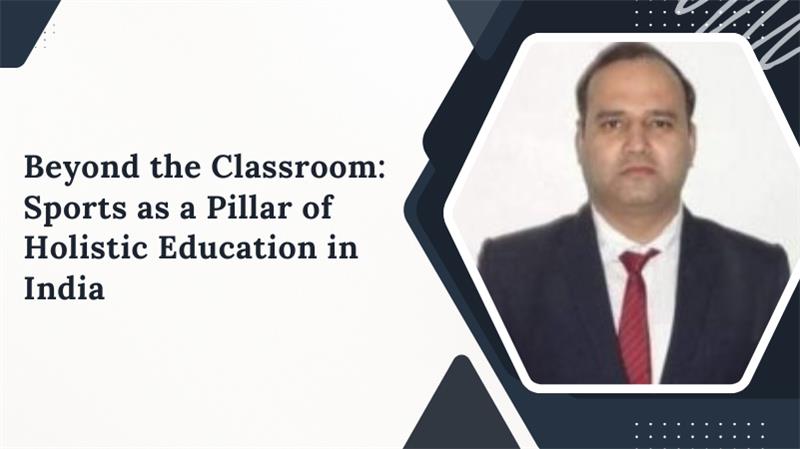
Dr. Pramod Kumar Faujdar
Dean Student Welfare, Vivekananda Global University Jaipur, Rajasthan E-mail ID: dsw@vgu.ac.in |
The Expanding Vision of Higher Education in India
In recent decades, Indian higher education has undergone rapid expansion, driven largely by aspirations for academic excellence, innovation, and employability. While intellectual development remains central to universities, there is growing recognition that education must extend beyond classrooms and laboratories. Sport and physical activity play a crucial role in shaping well-rounded individuals by promoting physical health, emotional resilience, leadership, teamwork, and ethical values. Fostering a strong sporting culture within Indian universities is therefore not a peripheral concern but a vital pathway toward holistic education.
Understanding Sporting Culture in the University Context
A sporting culture is not limited to hosting annual tournaments or building a few playgrounds; it reflects an institutional ethos that values regular participation in physical activity, fair play, inclusivity, and lifelong fitness. In the Indian context, where academic pressures and sedentary lifestyles increasingly affect students, universities can serve as transformative spaces that integrate sport into daily campus life. Such integration contributes not only to healthier students but also to the development of social skills and civic responsibility.
Character Building through Athletic Participation
One of the most significant contributions of sport to holistic education lies in character formation. Participation in competitive and recreational games teaches discipline, time management, perseverance, and respect for rules qualities essential for both professional success and responsible citizenship. Team sports encourage cooperation across social and cultural boundaries, enabling students from diverse backgrounds to work toward common goals. Individual sports, meanwhile, foster self-motivation, focus, and emotional regulation. Through victory and defeat alike, students learn to handle pressure, accept outcomes with dignity, and strive for continuous improvement.
Sports as a Catalyst for Mental Well-being
Mental well-being is another area where sports make a decisive impact. University life often involves academic stress, career uncertainty, and social adjustment, which can take a toll on students’ psychological health. Regular physical activity has been widely associated with reduced anxiety, improved mood, and greater self-confidence. When campuses provide accessible sporting opportunities such as open gyms, yoga spaces, walking tracks, and intramural leagues, they create supportive environments that normalize wellness and encourage healthy coping mechanisms.
Infrastructure and Professional Support Systems
For Indian universities to cultivate such a culture effectively, infrastructure development is a foundational step. Adequate playing fields, indoor halls, swimming pools, and fitness centers are essential, but they must be complemented by proper maintenance and equitable access. Importantly, facilities should cater to a wide range of sports, including traditional Indian games, adventure sports, and emerging disciplines, thereby appealing to varied interests and talents. Attention to safety standards, trained coaches, and sports medicine support further enhances participation and performance.
Policy Integration and National Initiatives
Policy and academic integration also play a critical role. Universities can move beyond viewing sports as extracurricular activities by embedding physical education credits within curricula or recognizing sporting achievement alongside academic excellence. Flexible attendance policies for student-athletes, scholarships, and structured training schedules help reconcile academic responsibilities with athletic pursuits. National initiatives such as the Khelo India programme and the Fit India Movement provide valuable frameworks that institutions can align with to strengthen grassroots participation and competitive pathways.
Promoting Equity, Diversity, and Inclusion in Campus Sports
Equity and inclusion must remain central to any effort to promote campus sports. Historically, access to organized sports in India has been uneven, particularly for women, students with disabilities, and those from economically disadvantaged backgrounds. Universities can address these gaps by ensuring gender-sensitive facilities, encouraging female participation through targeted programmes, and creating adaptive sports opportunities. Financial assistance, equipment libraries, and outreach activities can further democratize access, ensuring that sporting culture becomes a shared experience rather than a privilege for a few.
Leadership, Research, and Institutional Commitment
Faculty and administrative leadership are equally important in shaping attitudes toward sport. When university leaders actively support athletic programmes, allocate resources transparently, and celebrate sporting achievements, they signal that physical development is integral to institutional identity. Collaboration between departments such as sports sciences, psychology, management, and engineering can generate interdisciplinary research, innovation in training methods, and student-led initiatives that link theory with practice.
Community Partnerships and Outreach through Sport
Community engagement offers another promising pathway. Universities can open their facilities to local schools, host inter-collegiate leagues, and partner with sports federations or non-governmental organizations. Such collaborations strengthen town-and-gown relationships while providing students exposure to real-world organizational dynamics, event management, and social service through sport. Alumni networks, too, can contribute mentorship, funding, and professional opportunities for aspiring athletes and sports administrators.
Conclusion: Sport as the Foundation of Holistic Education
In conclusion, fostering a sporting culture in Indian universities is essential for nurturing graduates who are not only intellectually capable but also physically fit, emotionally balanced, and socially responsible. By investing in infrastructure, inclusive policies, curricular integration, leadership support, and community partnerships, higher-education institutions can reposition sport as a cornerstone of holistic education. In doing so, Indian universities will empower young people to lead healthier lives, embody ethical values, and contribute meaningfully to the nation’s social and cultural vitality.
Latest Posts
-
 6th August, 2026
 -
 3rd August, 2026