


|
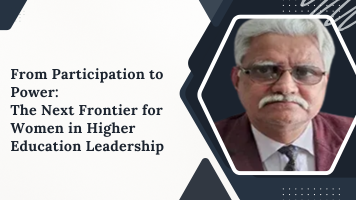
Prof. (Dr) Nihar Ranjan Biswas
Vice Chancellor, Sri Balaji Vidyapeeth, Pillaiyarkuppam, Puducherry |
|
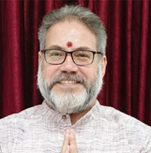
Yogacharya Dr. Ananda Balayogi Bhavanani
Professor Yoga Therapy & Director Institute of Salutogenesis and Complementary Medicine (ISCM), Sri Balaji Vidyapeeth, (Deemed to be University), Pillaiyarkuppam, Puducherry |
A Youth-Centric Salutogenic Initiative at Sri Balaji Vidyapeeth
Higher education today faces a subtle but serious paradox. While academic opportunities, technology, and infrastructure have expanded dramatically, student well-being has emerged as a growing concern. Rising stress, anxiety, sedentary lifestyles, and performance pressure among youth signal the need for educational models that nurture not only competence, but also resilience, balance and purpose.
Responding to this challenge, Sri Balaji Vidyapeeth (SBV), Puducherry, through its Institute of Salutogenesis and Complementary Medicine (ISCM), has pioneered an innovative integration of Yoga and sporting culture within the university ecosystem. This approach reflects a conscious shift from outcome-driven education to a Salutogenic model one that actively cultivates health, coherence, and lifelong well-being.
Yoga and Sport: Complementary Pathways, Not Contradictions
Sport has long been valued in education for promoting fitness, discipline, teamwork, and performance excellence. Yoga, rooted in Indias classical knowledge systems, complements this culture by addressing dimensions often neglected in competitive environments mental resilience, emotional regulation, ethical awareness, and self-reflection.
At SBV, Yoga is not positioned as an alternative to sport, but as a refining and strengthening force. Yogic principles such as samatvam (equanimity) and karmasu kaushalam (skillful action) help students engage in sport with clarity, composure, and balance. Athletic participation thus becomes a conscious developmental journey rather than a source of stress.
Supporting Performance, Preventing Burnout
Scientific evidence increasingly supports the role of Yoga in enhancing flexibility, balance, coordination, strength, and neuromuscular efficiency key factors for athletic performance and injury prevention. Through ISCM, SBV integrates Yoga as both:
- a foundation for student wellness, and
- a performance-supportive discipline for sport.
Structured training in āsana, prāṇāyāma, and mindful movement equips students to meet physical demands while emphasizing recovery, alignment, and breath awareness. This holistic approach promotes sustainable participation and reduces burnout an increasingly important concern among young athletes.
Mental Resilience and Emotional Well-Being
Competitive academic and sporting environments can place significant psychological demands on students. Yoga offers practical tools for self-regulation through practices that enhance focus, emotional stability, stress management, and self-awareness. Students trained in yogic methods demonstrate improved concentration, confidence, emotional intelligence, and healthier interpersonal relationships.
ISCMs youth-oriented programs frame Yoga as a self-regulatory life skill, empowering students to face both success and failure with resilience and perspective.
Yoga as Wellness and Yogasana as Sport
A distinctive feature of SBVs model is the dual integration of Yoga:
- as a discipline for wellness and positive health, and
- as Yogasana sport, aligned with national sporting standards.
Through formal collaboration with Yogasana Bharat, the nationally recognized federation for Yogasana sport, SBV provides students with structured pathways for competitive participation. This ensures standardized training, ethical practice, safety, and national-level recognition bridging traditional yogic culture with contemporary sporting aspirations.
Inclusive Integration across University Life
Yoga at SBV is embedded across:
- curricular programs,
- co-curricular initiatives, and
- extracurricular platforms, including Yogasana sport and wellness activities.
This layered integration ensures inclusivity, allowing students of diverse abilities and interests to participate meaningfully. Yoga thus becomes a unifying element of campus life rather than a niche activity.
A Salutogenic Vision Aligned with NEP 2020
ISCMs work reflects a broader institutional commitment to Salutogenesis the creation of positive health. This vision aligns closely with the National Education Policy (NEP) 2020, which emphasizes wellness, sports-integrated education, and Indian Knowledge Systems as pillars of holistic development.
By embedding Yoga within formal educational structures, SBV demonstrates how universities can move beyond fragmented wellness initiatives toward coherent, value-based educational reform.
Conclusion
Sri Balaji Vidyapeeths integration of Yoga and sporting culture represents a forward-looking educational model one that balances performance with well-being, competition with consciousness, and achievement with ethical grounding.
Through the Institute of Salutogenesis and Complementary Medicine, SBV continues to exemplify how universities can nurture healthy, resilient, self-aware, and purpose-driven youth, fulfilling educations highest mandate in the contemporary world.
Latest Posts
-
 3rd August, 2026